/How Are Condoms Manufactured in a Fully Automated Line?
How Are Condoms Manufactured in a Fully Automated Line?
Jul 03, 2026
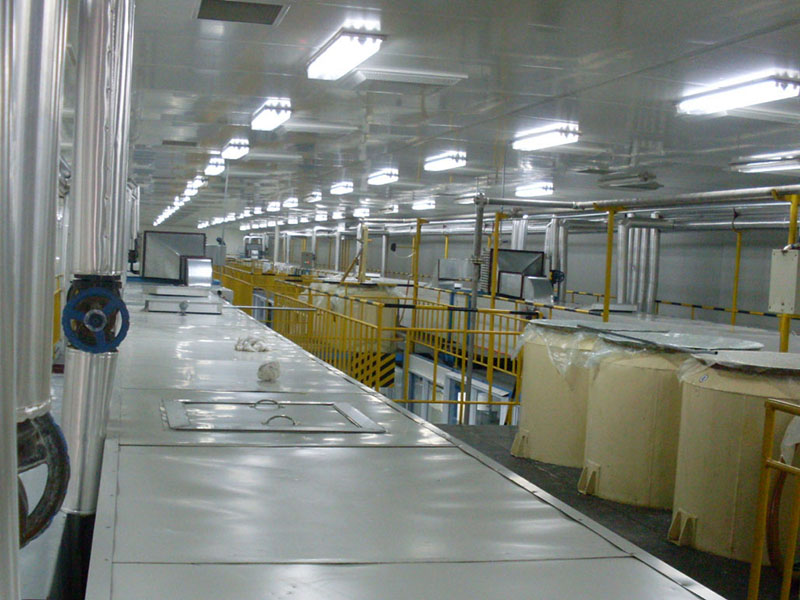
If you've ever wondered what goes on behind the scenes of a condom factory, the short answer is: a lot more precision than most people assume. Natural latex may look simple in liquid form, but turning it into a thin, reliable barrier takes a tightly choreographed sequence of dipping, curing, testing, and packing—all synchronized by a modern latex condom machine that rarely stops once it's up to speed. For buyers evaluating production equipment, understanding each stage helps explain why certain machines hold tolerance better than others.
It starts with compounding. Raw natural latex concentrate is blended with sulfur, zinc oxide, antioxidants, and a vulcanization accelerator package, then filtered through fine mesh to remove particulates.When the line runs, glass formers (the familiar condom-shaped mandrels) are cleaned, dipped into a coagulant, then into the latex tank. A well-tuned latex condom production line controls withdrawal speed and bath temperature so the film thickness lands consistently in the 0.05–0.07 mm range across every single former.
After the initial dip, the formers pass through a leaching section where warm water rinses away excess proteins and water-soluble residues—important for skin compatibility. Then comes the curing oven, where heat cross-links the rubber network and locks in elasticity. In a fully automatic condom line, this whole pre-cure and cure sequence is paced by the conveyor rhythm; if one zone drifts by even a few degrees, you'll see it in the tensile test later. That's why experienced operators pay as much attention to oven zoning as to the dip tank itself.
What really separates condom manufacturing from other latex dipping products is the post-curing inspection. Every condom—yes, every single one—gets electronically tested for pinholes. The former carries the still-wet-donut-beaded condom past a probe; a micro-current detects even sub-millimeter breaches. Rollers then strip, silicone-coat (for donning feel), and feed into pairing and foiling stations. A capable condom making machine integrates the beading, stripping, and electronic tester so the line doesn't have to pause between inspection and packing—throughput stays high and rejects are caught before foil seal.
Packaging is the last handshake with the consumer, but quality control decisions were made three stations earlier. Batch samples go to the lab for burst volume, tensile, and aging tests while the line keeps running. If you're sourcing or planning a plant, the takeaway is simple: the machinery matters less as individual islands and more as a synchronized system. A properly specified latex condom machine doesn't just push meters per minute—it holds micron-level consistency, catches defects inline. That's the difference between a line that runs and a line that sells.
Discover a range of high-performance condom production machines meticulously engineered to meet the diverse needs of our clients. Our machinery is designed to enhance production efficiency and product quality.
Experience the future of condom machine assembly with our advanced production lines. Our assembly lines are crafted to optimize your production, ensuring seamless operation, increased output, and consistent condom quality. With customizable features and precision engineering, we offer solutions tailored to your specific requirements.