/What are the Disadvantages of Using Latex Gloves for Individuals with Allergies?
What are the Disadvantages of Using Latex Gloves for Individuals with Allergies?
Dec 03, 2025
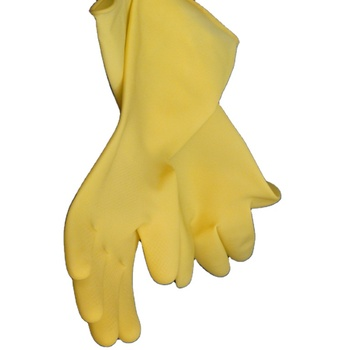
For many professionals in healthcare, food service, and laboratories, disposable gloves are essential daily PPE. While natural latex gloves are prized for their excellent elasticity, comfort, and barrier protection, they pose a significant challenge for a portion of the population: individuals with latex allergies. Understanding these disadvantages is crucial for making informed decisions about personal safety and workplace health.Core issue lies in the proteins found in natural rubber latex. For sensitized individuals, the immune system mistakenly identifies these proteins as harmful invaders. This triggers an allergic reaction upon contact. The severity can range widely. The most common reaction is Irritant Contact Dermatitis, characterized by dry, itchy, and irritated skin on the hands. While uncomfortable, this is not a true allergy but a response to chemical irritants or the glove's powder. A more serious condition is Type IV Allergic Contact Dermatitis, a delayed reaction to the chemical accelerators used during the vulcanization process in glove manufacturing, causing a skin rash similar to poison ivy that appears hours after use.The most severe, though rare, risk is a Type I Immediate Hypersensitivity reaction. This is a true allergy to the natural latex proteins themselves. Reactions can be systemic and severe, including symptoms like hives, rhinitis, difficulty breathing, and in extreme cases, anaphylaxis. This is a serious medical emergency. For these individuals, even airborne latex proteins—which can become attached to the powder dusted inside some gloves—can trigger a reaction, making environments like hospitals potentially risky.It is important to note that the level of these allergenic proteins in a finished glove is heavily influenced by the manufacturing process. Advanced latex glove making machines are designed to address this very issue. A key stage is the leaching process, where the formed gloves are washed in large tanks of hot water. High-quality automatic latex glove production lines feature extensive and efficient leaching systems that remove a significant portion of the soluble proteins. The sophistication of the glove manufacturing equipment directly impacts the final product's safety profile.Furthermore, technological advancements in production have led to the creation of low-protein latex gloves. By optimizing the compounding formulas and enhancing the leaching efficiency, modern latex glove production machines can produce gloves that are much safer for individuals with mild sensitivities. For those with a confirmed Type I allergy, however, avoidance remains the best policy, and alternatives like nitrile or vinyl gloves are recommended.In conclusion, while latex gloves offer superior tactile sensitivity and biodegradability, the risk of allergic reactions is a undeniable disadvantage. The key for both users and manufacturers is awareness and innovation. For glove manufacturers, investing in advanced latex glove machinery is not just about increasing output; it's about producing safer, higher-quality products. By utilizing modern production lines that prioritize thorough leaching and quality control, manufacturers can minimize allergens, providing better options for the market and helping to create safer environments for everyone.
Discover a range of high-performance glove production machines meticulously engineered to meet the diverse needs of our clients. Our machinery is designed to enhance production efficiency and product quality.
Experience the future of glove machine assembly with our advanced production lines. Our assembly lines are crafted to optimize your production, ensuring seamless operation, increased output, and consistent glove quality. With customizable features and precision engineering, we offer solutions tailored to your specific requirements.